The Midnight Switch vs. The Sunset Shift
In the Western world, we are conditioned to look at the clock at 12:00 AM. That's the 'magic moment' when Tuesday becomes Wednesday. But in the Hijri calendar, things work a bit differently—and far more naturally. The Islamic day actually begins the moment the sun disappears below the horizon.
Following the Lunar Rhythm
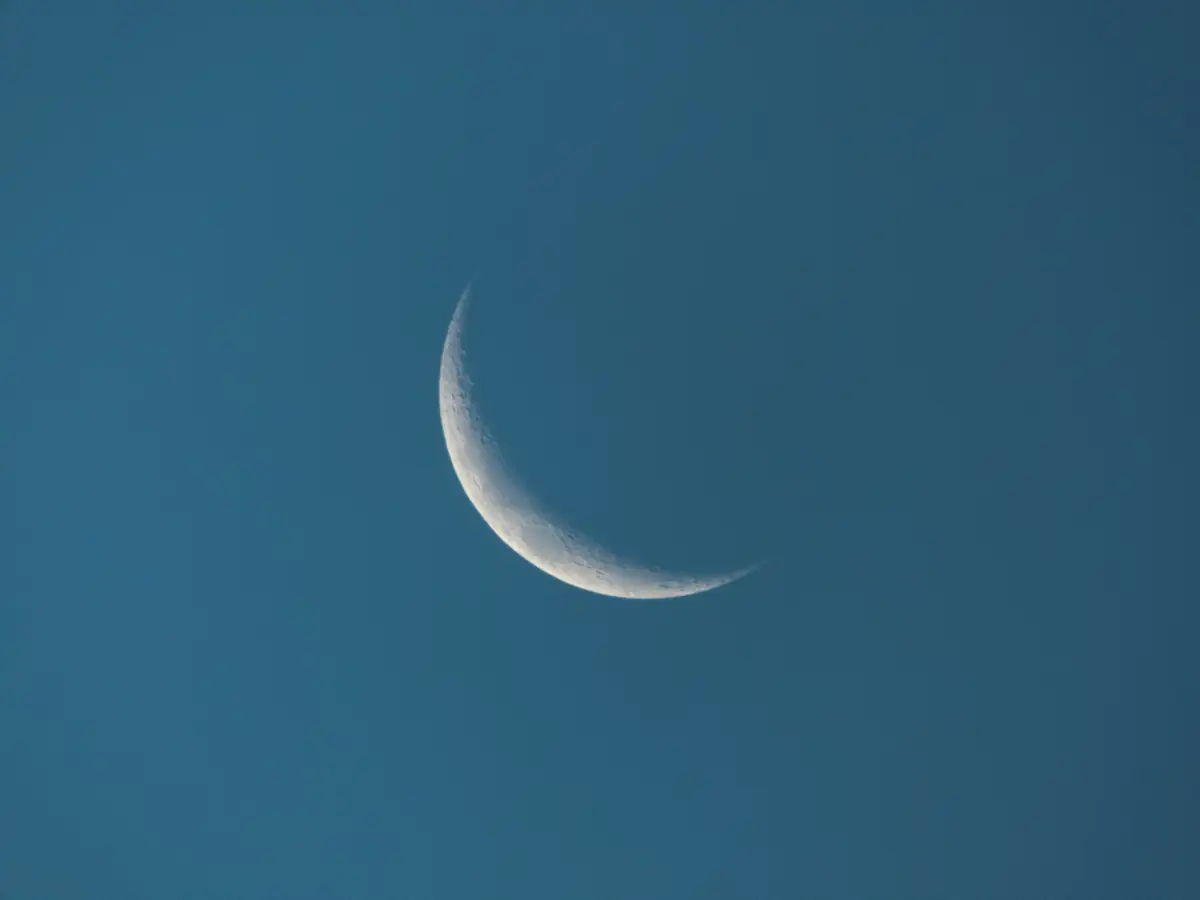
Why sunset? Because the Hijri calendar is strictly lunar. In ancient times, before digital clocks and synchronized time zones, the most reliable way to mark the end of one day and the birth of another was by observing the sky. Since the new month begins with the first sighting of the thin crescent moon (Hilal) right after sunset, it only makes sense that the day itself follows that same celestial cue.
The Practical Impact: Ramadan and Fridays
This explains a lot of 'odd' timings if you're new to Islamic culture. For example:
- Ramadan Starts in the Evening: We start the Taraweeh prayers on the night *before* the first day of fasting. Why? Because as soon as the sun sets on the last day of Shaban, it is technically already the 1st of Ramadan.
- Friday (Jumu'ah): The spiritual blessings of Friday actually begin on what Westerners would call 'Thursday Night'. This is why reading Surah Al-Kahf often begins after the Maghrib prayer on Thursday.
A Gift for the Senses
Starting the day at sunset feels more 'human.' It aligns our internal clock with the natural world around us. It turns the end of a workday into a moment of spiritual transition, reminding us that time isn't just a number on a screen, but a reflection of the universe's divine design.